
Explore buying property in The Bahamas with our practical guide for foreign buyers. Learn about ownership requirements, purchasing costs, legal considerations, and the diverse real estate opportunities available throughout the islands.
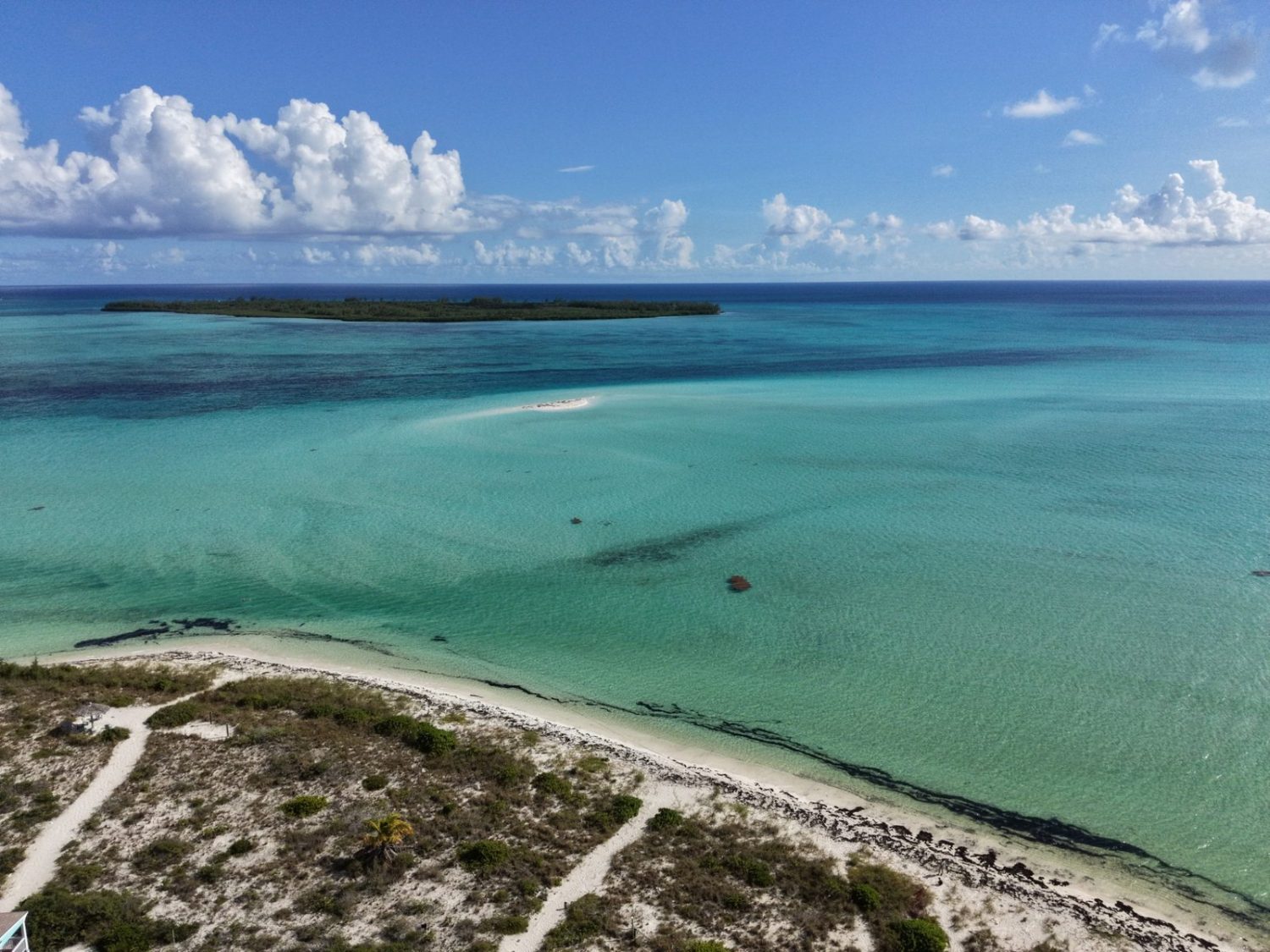
Buying property in The Bahamas offers international buyers an opportunity to own real estate in one of the Caribbean’s most desirable destinations. From luxury waterfront estates and private islands to charming beachfront cottages and condominium residences, The Bahamas offers an exceptional variety of properties. Whether you’re purchasing a vacation home, planning for retirement, or exploring investment opportunities, understanding the buying process is essential.
A cottage near the beach. A condominium with resort amenities. A waterfront home with space for your boat. Buying property in The Bahamas can begin with very different dreams, but the questions that follow are often the same: Can I buy as a foreigner? What will it cost? How does the process work?
This guide brings those questions together, helping you move from browsing beautiful properties to planning an informed purchase.
What to Know Before Buying Property in The Bahamas
Yes. Non-Bahamians can purchase property in The Bahamas, subject to the applicable registration and permit requirements.
Under the International Persons Landholding Act, qualifying owner-occupied residential purchases generally follow a registration process. A permit is required for acquisitions outside that category, including certain investment or commercial purchases and undeveloped-land acquisitions that would bring the buyer’s holding to two or more contiguous acres.
Your intended use matters. Tell your Bahamian attorney whether you plan to live in the property, use it seasonally, rent it or develop it. Have the correct approval route confirmed before committing to the transaction.
Source: International Persons Landholding Act
What kind of Bahamas property suits you?
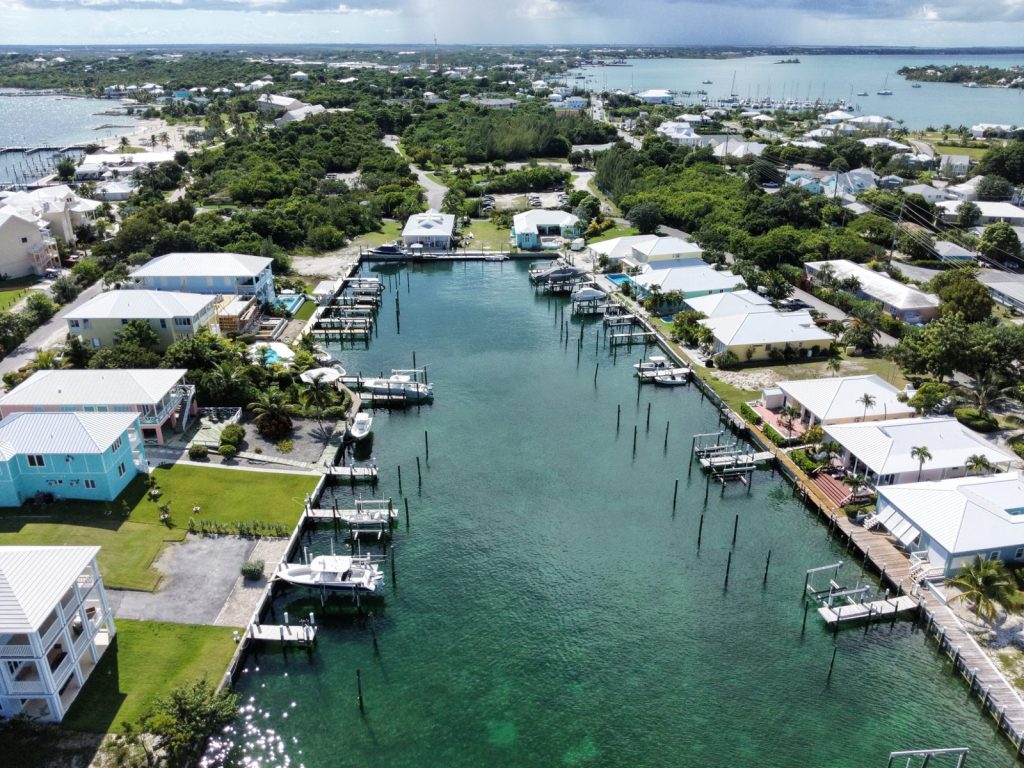
Start with how you want to spend your time.
For some buyers, a condominium offers a convenient base with shared maintenance and amenities. Others prefer the privacy of a detached home, the character of an island cottage or a waterfront setting built around boating.
Vacant land offers the opportunity to create something personal, but requires a different investigation: construction access, utilities, site conditions, planning requirements and a realistic building budget.
Private islands involve another level of planning. Before focusing on the setting alone, ask how people, materials, water, electricity and supplies will reach the property.
A useful starting question is: What should an ordinary day at this property look like? Your answer helps narrow the island, community and property type.
Which island should you choose?
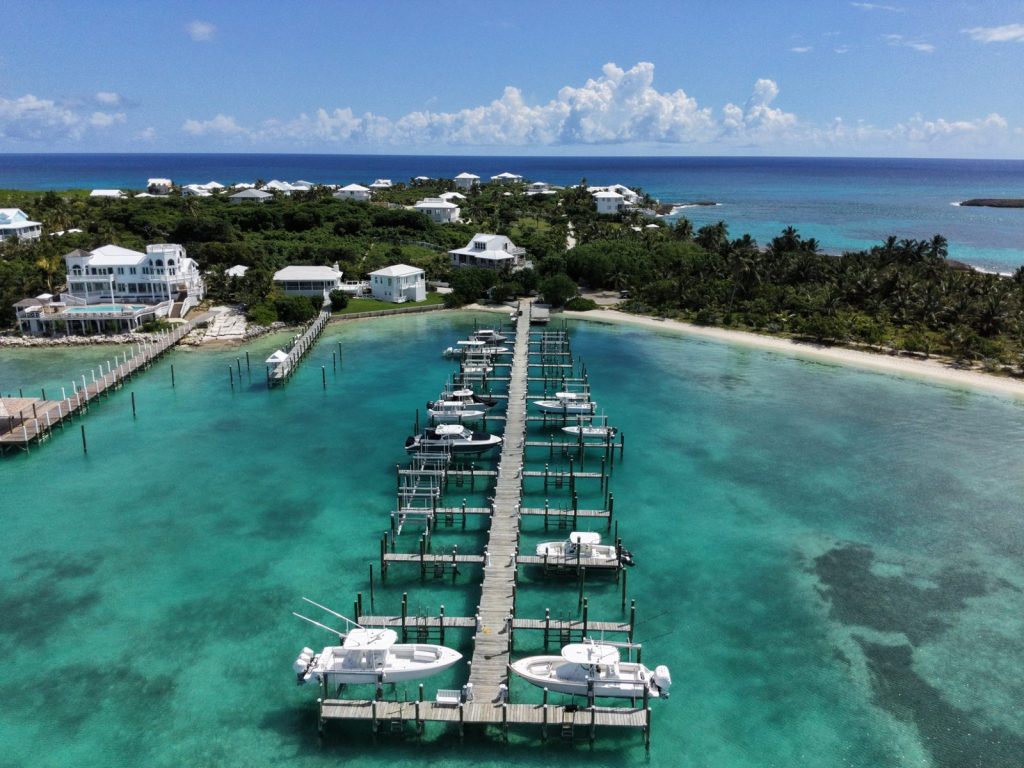
Your search should compare daily life as carefully as the homes themselves.
- Nassau and Paradise Island: Explore these areas if access to services, dining, amenities and established residential communities is high on your list.
- Eleuthera: Compare communities such as Governor’s Harbour, Palmetto Point, Gregory Town and the wider Spanish Wells and Russell Island area. Pay attention to airport access, shops, services and the coastline you prefer.
- Abaco: Consider how boating, beaches and settlement life fit your plans. Green Turtle Cay, Hope Town and Elbow Cay, Treasure Cay and mainland communities offer different ownership experiences.
Before arranging viewings, make a short list of essentials: travel connections, medical access, groceries, internet, boat access and help maintain the property while you are away.
How does the buying process work?
Understanding the legal requirements and associated costs when buying property in The Bahamas is an important part of planning a successful purchase.
1. Establish your full budget
Allow for the purchase price, closing expenses, initial repairs or furnishings and annual ownership costs.
If you plan to finance the purchase, speak with a lender early about eligibility, deposit requirements, documentation and timing. A mortgage calculator can illustrate repayments, but it does not establish what a lender will approve.
2. Work with an agent to compare suitable properties
Share your budget, preferred locations, intended use and essential features. Ask your agent to compare suitable properties across participating MLS listings, rather than limiting your search to one brokerage’s own inventory.
Discuss comparable properties and the evidence behind an asking price. Asking prices alone do not establish market value.
3. Make an offer and agree on the terms
Price is only part of the negotiation. The offer should also address timing, financing or inspection conditions, included furnishings and how transaction expenses will be allocated.
Retain an independent Bahamian attorney early so you understand the terms before signing.
4. Review the sale agreement and arrange the deposit
A deposit of around 10% is common, but the amount, payment date, stakeholder arrangements and refund conditions must follow the agreement.
Have your attorney explain when the deposit is refundable and what happens if either party cannot complete the purchase.
5. Complete due diligence and required approvals
Your attorney investigates title and relevant legal matters, reviews the conveyancing documents and advises on registration or permits. Arrange appropriate inspections, surveys and specialist advice for the property.
6. Complete the purchase
Once the contractual requirements are satisfied, the attorneys coordinate completion, funds and the ownership documents.
Some transactions complete approximately 45–90 days after the sale agreement is executed, but financing, title issues and government approvals can extend the process. Agree on a realistic timetable for your purchase.
Understanding the legal requirements, closing costs, and due diligence involved in buying property in The Bahamas helps foreign buyers make informed decisions.
What are the closing costs for foreign buyers?
Foreign buyers should budget for conveyance VAT, legal fees and transaction-specific expenses in addition to the price.
The VAT Act’s published schedule generally specifies 10% conveyance VAT for transfers of real property to a foreign person. Do not assume the graduated rates available to certain Bahamian buyers apply to you.
A buyer and seller may agree to share that VAT equally, but the allocation is contractual. Ask whether the quoted price is subject to special terms, including a seller’s net-price requirement.
For illustration, if a $1,000,000 transaction attracts 10% conveyance VAT, the total tax is $100,000. If the contract allocates it equally, the buyer’s portion is $50,000—before legal fees and other expenses.
Request a written closing estimate showing:
- Your agreed share of conveyance VAT.
- Legal fees, applicable VAT on professional services and disbursements.
- Recording and registration or permit charges.
- Surveys, inspections and valuations.
- Financing expenses, where relevant.
- Adjustments for property taxes, community charges or other prepaid amounts.
Commission is commonly paid by the seller, but confirm any buyer representation agreement. Your attorney should verify the tax treatment and allocation for your transaction.
Source: VAT Act, Third Schedule
What should you investigate before buying?
A viewing tells you how a property feels. Due diligence helps establish what you are acquiring and what ownership may involve.
For any property: Ask about title, boundaries, legal access, outstanding taxes, permitted use, building condition and utility arrangements.
For waterfront homes: Investigate coastal boundaries, shoreline conditions, storm exposure, insurance and any existing seawalls or marine structures.
For boating properties: Confirm usable depth, approach channels, tidal limitations and dock rights. Waterfront ownership should never be treated as confirmation that a new dock will be approved.
For condominiums and resort residences: Review community rules, financial statements, reserves, insurance, planned works and potential special assessments. Establish which amenities are included and which require separate membership or payment.
For vacant land: Check buildability, access, infrastructure, setbacks and the approvals needed for your proposed home.
What are the ongoing ownership costs?
Build an annual budget before making an offer. Include insurance, maintenance, utilities, property management, community fees and real property tax where applicable.
Real property tax treatment depends on assessment and classification. An owner-occupied home, foreign-owned rental property and vacant parcel may receive different treatment. Obtain the current assessment and have your adviser confirm how your intended use affects it.
For coastal properties, obtain an insurance quotation early and understand the deductibles, coverage limits and conditions.
Source: Department of Inland Revenue, real property tax guidance
Can you rent out your property?
Before buying with rental income in mind, confirm that your ownership approvals, community rules and any management agreement permit the intended rental use.
For resort residences, ask whether participation in a rental programme is mandatory, how revenue is shared and whether personal use is restricted.
Request documented operating history where available. Assess income after management charges, cleaning, utilities, insurance, repairs, taxes and vacancy. Past performance does not guarantee future results.
Does buying property provide residency?
Property ownership does not automatically grant permanent residency.
The Economic Permanent Residency investment provisions introduced from January 1, 2025 specify a qualifying $1 million investment in Bahamian real estate or eligible Central Bank zero-coupon bonds, maintained for at least ten years.
Meeting an investment threshold is part of an application process, not automatic approval. Have an immigration attorney confirm the property’s eligibility, documentation, continuing conditions and any work permissions you may need.
Source: Immigration (Amendment) (No. 2) Act, 2024
Planning a move or seasonal stays
If you expect to spend extended periods in The Bahamas, investigate immigration arrangements separately from the purchase.
Plan for healthcare, insurance, banking, schooling where relevant, transport and the cost of bringing personal belongings or pets. International buyers should also obtain advice about their tax obligations in their home country.
A home that works beautifully for a two-week visit may require different arrangements for a six-month stay.
Find your place in The Bahamas
Whether your plans centre on a casual island cottage, a condominium or a waterfront estate, the right purchase begins with understanding both the property and the life around it.
At Bahamas Premier Properties, we help buyers explore options across Nassau and Paradise Island, Eleuthera and Abaco, with guidance informed by local knowledge and each client’s priorities.
Explore our Foreign Buyers page or contact Bahamas Premier Properties to discuss the islands, communities and properties that fit your plans.
This article provides general information, not legal, tax, immigration or financial advice. Rules and fees can change; obtain advice specific to your circumstances before purchasing.
By Brent Cartwright, Broker/Owner, Bahamas Premier Properties